
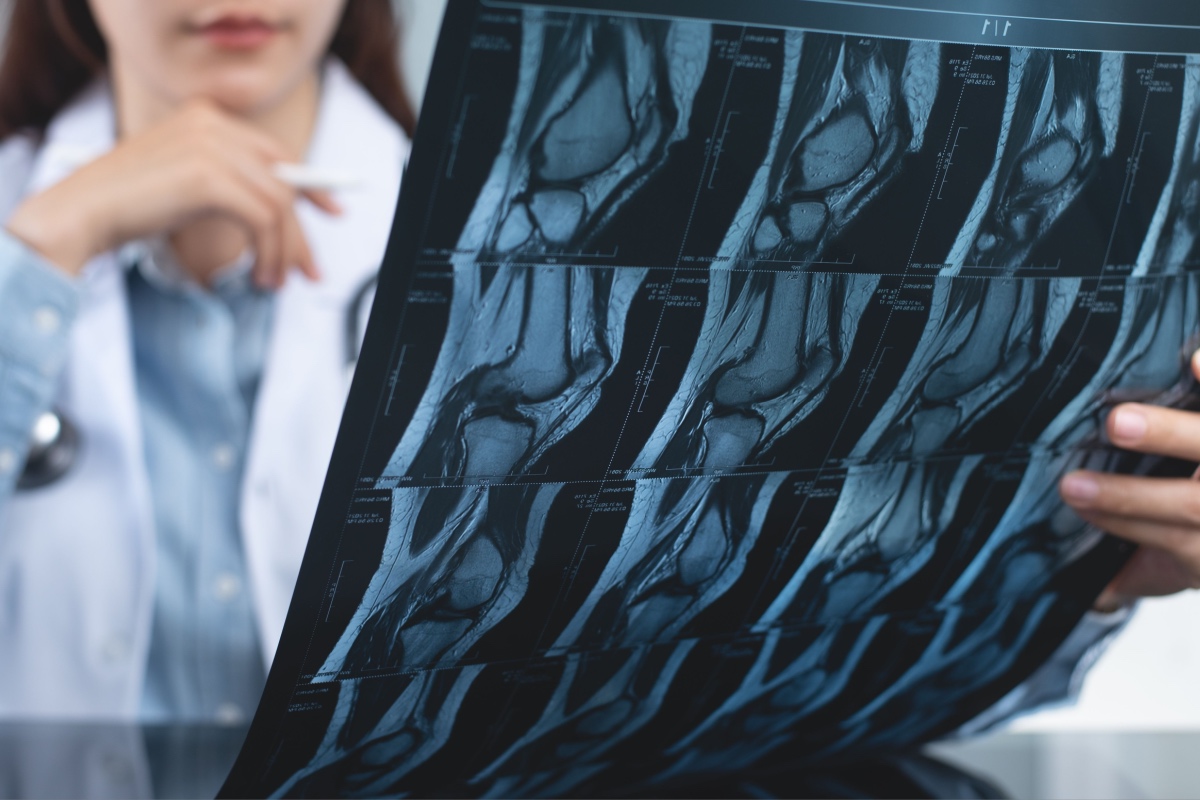
Bone chips are a foundational material in many types of modern surgical care, especially in orthopedic, spinal, trauma, dental, and reconstructive procedures. While the term may sound simple, the clinical role of bone chips is supported by a well-established body of medical science and consistent use across healthcare systems. Their purpose is to support the body’s natural bone repair process by filling gaps, restoring structural integrity, and creating an environment where new bone can form.
Table of Contents
- What Bone Chips Are
- How Bone Chips Support Bone Healing
- Common Surgical Applications for Bone Chips
- Types of Bone Chips Used in Clinical Settings
- Biological Principles Behind Bone Chip Use
- Why Surgeons Select Bone Chips
- Safety and Regulatory Standards for Bone Allografts
- Storage, Handling, and Preparation of Bone Chips
- Bone Chips Compared to Other Bone Graft Options
- Frequently Asked Questions
- Acesso Biologics and Bone Graft Solutions
What Bone Chips Are
Bone chips are small fragments of bone used as grafting material in surgery. In clinical settings, these chips are most often derived from donated human bone and processed for safe medical use. These are known as allograft bone chips. They are used to fill voids or gaps in bone that result from trauma, surgical removal, degeneration, or disease.
Bone chips vary in size, shape, and structure depending on how they are processed and how they will be used. Some resemble small granules, while others are larger cancellous or cortical pieces. The selection of chip size and type depends on the location of the defect and the surgical goal.
What makes bone chips valuable in medicine is not only their physical structure, but also how they interact with the body’s natural bone healing process. When placed properly, they serve as a temporary matrix that supports the formation of new bone tissue.
How Bone Chips Support Bone Healing
Bone healing is a complex biological process involving cellular activity, blood supply, and structural stability. Bone chips support this process in several important ways without introducing synthetic fillers or permanent materials.
Structural Support for Healing Bone
When there is a void within bone tissue, the surrounding structure may lack the stability needed for proper healing. Bone chips help restore this physical space. By occupying the defect, they provide mechanical support that allows the surrounding bone to maintain alignment during recovery.
Scaffold for New Bone Formation
Bone chips serve as an osteoconductive scaffold. This means they create a physical framework that allows bone-forming cells to attach, migrate, and grow. The porous surface of many bone chips is especially well suited for this purpose, encouraging integration with surrounding tissue.
Blood Vessel Development
For bone regeneration to occur, a healthy blood supply is required. The microscopic structure of bone chips allows small blood vessels to grow into the grafted area. This vascular growth delivers oxygen, nutrients, and cellular components needed for new bone development.
Gradual Integration and Remodeling
Over time, the body remodels the grafted area. In many cases, bone chips are gradually resorbed and replaced with the patient’s own natural bone. The rate and extent of this remodeling varies based on the procedure, patient health, and surgical technique, but the overall goal is long-term biological integration.
Common Surgical Applications for Bone Chips
Bone chips are used across many medical specialties because of their versatility and biological compatibility. Below are some of the most common clinical areas where they are applied.
Spine Surgery
In spinal fusion procedures, surgeons aim to stabilize and permanently join two or more vertebrae. Bone chips are often placed between vertebral bodies or inside interbody spacers to support bone fusion. Over time, this encourages the vertebrae to grow together and form a solid bone bridge.
Orthopedic Trauma
Severe fractures can leave behind bone gaps after alignment and hardware fixation. Bone chips are used to fill these spaces and help restore the bone’s natural shape. This supports the healing process and may reduce the risk of non-union in certain cases.
Joint Reconstruction and Revision Surgery
Joint replacement and revision procedures sometimes involve the removal of damaged bone or existing hardware. Bone chips may be used to restore lost bone volume around joints such as the hip, knee, or shoulder to create a stable foundation for implants.
Dental and Maxillofacial Procedures
In oral surgery and implant dentistry, bone volume is critical for implant stability. Bone chips are commonly used in ridge augmentation, sinus lift procedures, and defect repair to help rebuild the jawbone prior to or during dental implant placement.
General Reconstructive Surgery
Bone defects resulting from tumors, infection, or congenital conditions may require grafting. Bone chips provide a biological option for restoring bone form and structure in these complex cases.
Types of Bone Chips Used in Clinical Settings
Bone chips can be categorized based on their internal structure, which affects how they behave once implanted.
Cancellous Bone Chips
Cancellous bone is the spongy, porous interior portion of bone. Chips made from cancellous bone have a high surface area and allow for easy penetration of blood vessels and bone-forming cells. These chips are commonly used where biological integration is a primary goal.
Cortical Bone Chips
Cortical bone comes from the dense outer layer of bone. Chips that contain cortical material offer increased structural support but are less porous than cancellous bone. They are often used where additional mechanical strength is required.
Cortical and Cancellous Blends
Some bone chip products combine both cortical and cancellous bone. This blend offers a balance between strength and biological integration, making it useful for a wide range of surgical applications.
Biological Principles Behind Bone Chip Use
The clinical use of bone chips is based on well-defined biological principles related to bone regeneration.
Osteoconduction
Osteoconduction refers to the ability of a material to serve as a scaffold for new bone growth. Bone chips are osteoconductive by nature because they provide a physical matrix that guides cellular activity during healing.
Osteoinduction
Some bone graft materials undergo processing to expose naturally occurring growth factors that encourage stem cells to differentiate into bone-forming cells. This property is associated with demineralized bone products, which are derived entirely from bone tissue without synthetic carriers.
Osteogenesis
Osteogenesis is the formation of new bone by living bone-forming cells. While bone chips do not typically contain living cells after processing, they support osteogenesis indirectly by providing a suitable environment for the patient’s own cells to perform this function.
Why Surgeons Select Bone Chips
Surgeons choose bone chips for a variety of practical and biological reasons based on the needs of each procedure.
Biological Compatibility
Because bone chips are derived from human bone, they are naturally compatible with the patient’s skeletal system. This compatibility supports biological integration over time.
Versatility Across Procedures
Bone chips can be used in many surgical environments, from small dental defects to large orthopedic reconstructions. Their adaptability makes them a widely used option.
No Secondary Surgical Site
When using allograft bone chips, there is no need for a second surgical procedure to harvest bone from the patient. This avoids additional surgical exposure and recovery considerations.
Wide Range of Sizes and Formats
Bone chips are available in multiple volumes and particle sizes, allowing surgeons to select a format that best fits the defect being treated.
Safety and Regulatory Standards for Bone Allografts
Safety is a central concern in the use of any human tissue product. Bone chips and other allograft materials undergo extensive screening and processing before being released for medical use.
Donor Screening
Donors are screened based on strict medical and behavioral criteria. This screening includes a review of medical history, physical examination, and laboratory testing.
Tissue Processing
After recovery, the bone is processed using validated methods designed to reduce the risk of contamination while preserving the natural structure of the tissue. These processes follow established tissue banking standards.
Sterility and Quality Assurance
Allograft materials are handled under controlled conditions, with testing and documentation performed throughout the processing cycle. These steps are part of a regulated framework intended to support product safety.
Storage, Handling, and Preparation of Bone Chips
Proper storage and handling of bone chips plays an important role in maintaining product integrity before surgical use.
Room Temperature Storage
Many demineralized bone matrices and bone chip products are designed for storage at room temperature. This allows for easier inventory management within surgical facilities.
Sterile Packaging
Bone chips are packaged in sterile containers to maintain product sterility up to the point of use. Packaging systems are designed to protect the graft material from environmental exposure.
Surgical Preparation
Prior to implantation, the surgeon prepares the graft according to the procedure being performed. This may include hydration or mixing with other bone graft materials as determined by clinical need.
Bone Chips Compared to Other Bone Graft Options
Bone grafting can be performed using several different materials, and the selection depends on clinical factors.
Autograft Bone
Autograft refers to bone taken directly from the patient. While it contains living cells and growth factors, it requires an additional surgical site and carries separate healing considerations.
Allograft Bone Chips
Allograft bone chips are derived from donors and processed for safe use. They eliminate the need for a second surgical site and are widely used in orthopedic and spine procedures.
Synthetic Bone Graft Materials
Synthetic materials may be used as bone void fillers in certain applications. These products are manufactured rather than derived from human tissue and are selected based on specific surgical goals.
Each option has distinct properties, and the choice is based on a surgeon’s clinical judgment and procedural requirements.
Acesso Biologics and Bone Graft Solutions
Understanding why surgeons use bone chips begins with understanding their role in supporting natural bone repair. Across spine, orthopedic, trauma, and dental procedures, bone chips serve as a structural and biological foundation for healing where bone defects exist.
At Acesso Biologics, we offer a broad range of spine and orthopedic allograft solutions, including demineralized bone products, allograft chips, and structural grafts. Each product is developed to support the specific clinical needs of surgeons while aligning with established tissue banking standards.
If you would like additional product information or technical details, our team is available to provide support and resources for your facility. You can contact Acesso Biologics directly for more information about our allograft offerings here.
Frequently Asked Questions
1. What are bone chips used for in surgery?
Bone chips are used to fill voids or gaps in bone, support healing, and provide a scaffold for new bone growth in procedures such as spinal fusion, fracture repair, and dental reconstruction.
2. Are bone chips made from real human bone?
Yes. In clinical practice, most bone chips used for grafting are allografts derived from donated human bone that has been carefully screened and processed.
3. Do bone chips become part of the patient’s bone?
Over time, bone chips may be remodeled by the body and replaced by the patient’s own bone tissue as part of the natural healing process.
4. Are bone chips used only in orthopedic surgery?
No. They are also commonly used in spine surgery, dental surgery, trauma repair, and reconstructive procedures where bone defects are present.
5. How long do bone chips take to integrate?
The rate of integration varies depending on the surgical site, patient health, and procedural factors. Bone healing is a gradual process that occurs over weeks to months.